1- Young children have a high learning capacity
Neuroscience shows that children have an impressive capacity for language absorption up to the age of 7. “Learning a language before or after this age is not the same process,” emphasizes Gilbert Dalgalian ,a psycholinguist specializing in early language learning, in his book Multilingual Childhood. For example, children who start early have a distinct advantage when they learn French.
Before age 7, language acquisition is natural because this is what we call the language age. Later on, learning a language becomes more deliberate and structured. Young children also benefit from a flexible speech apparatus, making it easier for them to reproduce sounds that are not part of their mother tongue.
As research from Harvard university “Early language learning and brain development” shows children’s brain are uniquely wired to absorb languages during the early years.
Multiple skills develop when children learn French or any other language than their mother tongue
Children exposed to multiple languages from early childhood develop stronger memory, problem-solving abilities and adaptability.
For more insights on how languages shape the brain, read the article: Bilingualism is good for the brain : why it benefits children and adults
2- Learning French from childhood opens to the world and more future opportunities
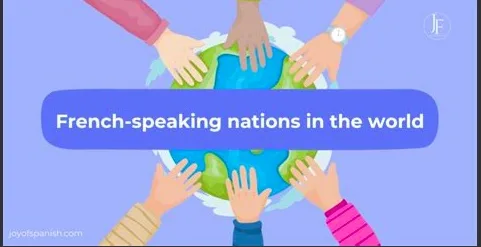
French is spoken in over 30 countries and is an official language in global institutions such as the United Nations and the European Union. By mastering French your child will have access to more educational and professional opportunities in the future.
According to the Organisation Internationale de la Francophonie, French is spoken on five continents and is one of the most widely taught languages in the word.
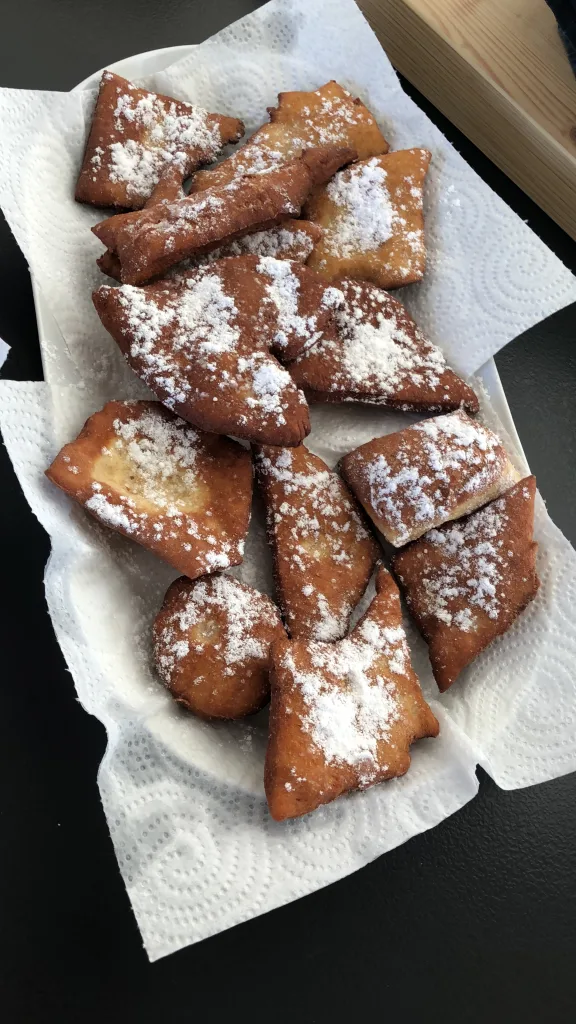
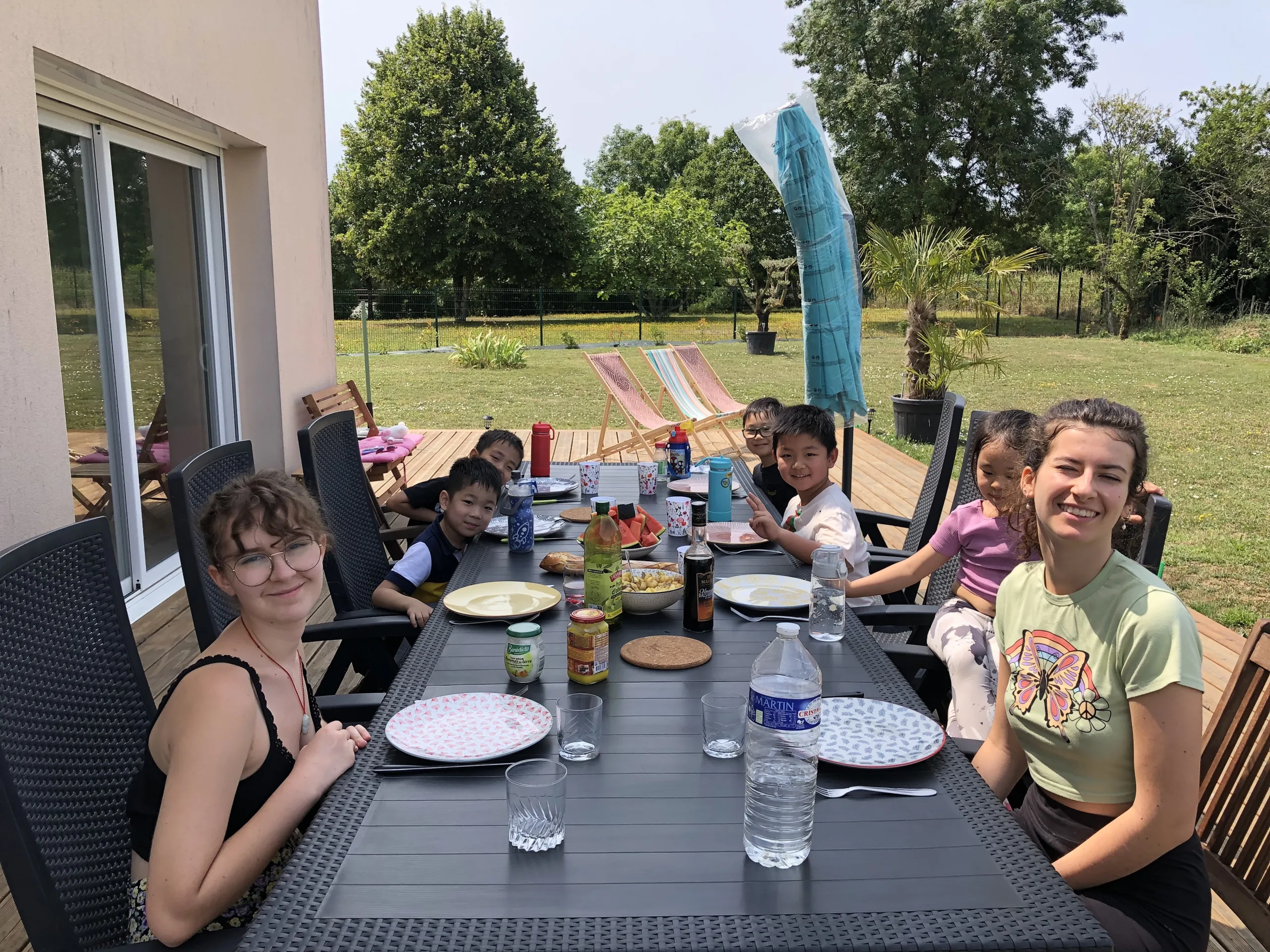
But learning French isn’t just about school and work. It’s also an invitation to discover a rich culture that shines in fashion, gastronomy, literature and art. Starting early makes this cultural immersion even more natural. That’s what we do at the French Family Camp. We are visiting and cooking French recipe !
3- Children love to play and this is the best way to learn effectively.
Children learn best through play. According to renowned educator Maria Montessori, play is the child’s job. Games, songs and fun activities keep children engaged and motivated. They don’t even realize they are learning because fun takes the lead !
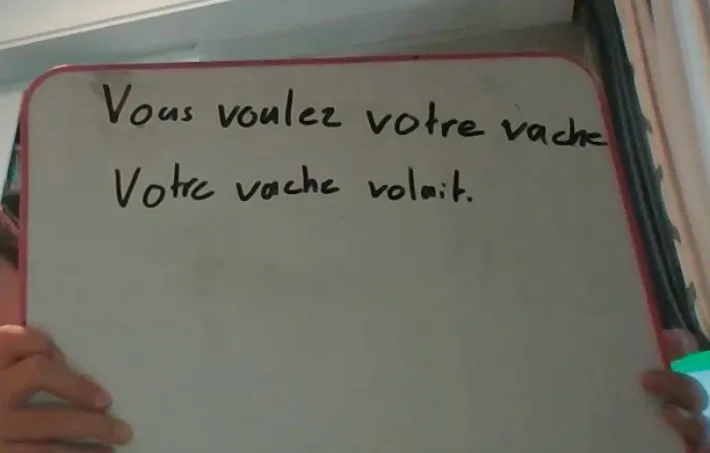
Examples of playful learning activities in our French online class
- ❓ Guessing games and “Who’s Who?”: perfect for practicing vocabulary.
- 🔎 Spot the difference: develops observation and oral expression.
- 🂡 Memory and card games: boost focus and recall in French.
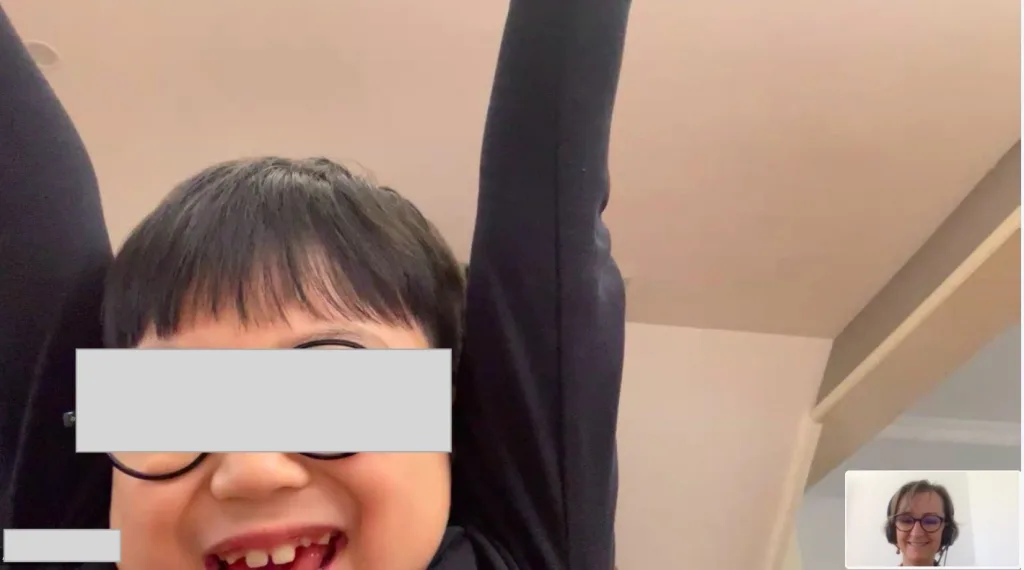
As a French teacher, I love seeing my students’ big smiles when they win a game. These moments build confidence and keep motivation alive.
4- Learning French from childhood builds stronger multilingual foundations
Starting French in childhood makes it easier to learn a third or even a fourth language later. Far from overwhelming children, multilingualism actually helps them organize knowledge, switch between systems and strengthen overall cognitive flexibility.
Families often worry: “Will adding another language confuse my child ?”. The answer is no. Studies show that multilingual children often outperform their monolingual peers in attention, problem-solving and creativity.
I’ll tell you a personal anecdote. During our expatriation in Tunisia, where I was a teacher in an international school, my two daughters, aged 2 and 4, learned English and Arabic at the same time. They had no difficulty distinguishing between them. Later, this allowed them to learn other languages because their brains had become accustomed to hearing sounds other than French.
Numerous studies show that bilingual education strengthens cognitive functions and academic performance. As explained by Nord Anglia Education, bilingual learners often excel in tasks requiring attention, memory and problem solving.
5- French language as a lifelong asset
French remains a highly relevant choice for your child’s future. But learning it only at school is rarely enough for a non-French-speaking child especially if they don’t live in a French speaking environment.
That’s why interaction with real speakers, engaging activities outside the classroom and the continuous guidance of a private tutor make all the difference. At The French Explorer School, I create personalized, playful and motivating lessons to help children thrive in French at their own pace.
Learning French is a smart gift for life
Encouraging your child to learn French from an early age is one of the best gifts you can offer. It opens the door to new cultures, strengthens cognitive abilities and builds future opportunities.
Being bilingual allows each of us to develop qualities of the heart. This is called emotional intelligence. Learning a language from childhood allows us to be more tolerant and empathetic towards others.
Learning a language means immersing ourselves in a new culture that enriches us emotionally. This is the great wealth we can offer our children.
So, why wait ? Start today and give your child the advantage of growing up with French!
👉 Book a free call and discover how French Explorer School can support your child’s multilingual journey.
Discover our online French classes and camps for kids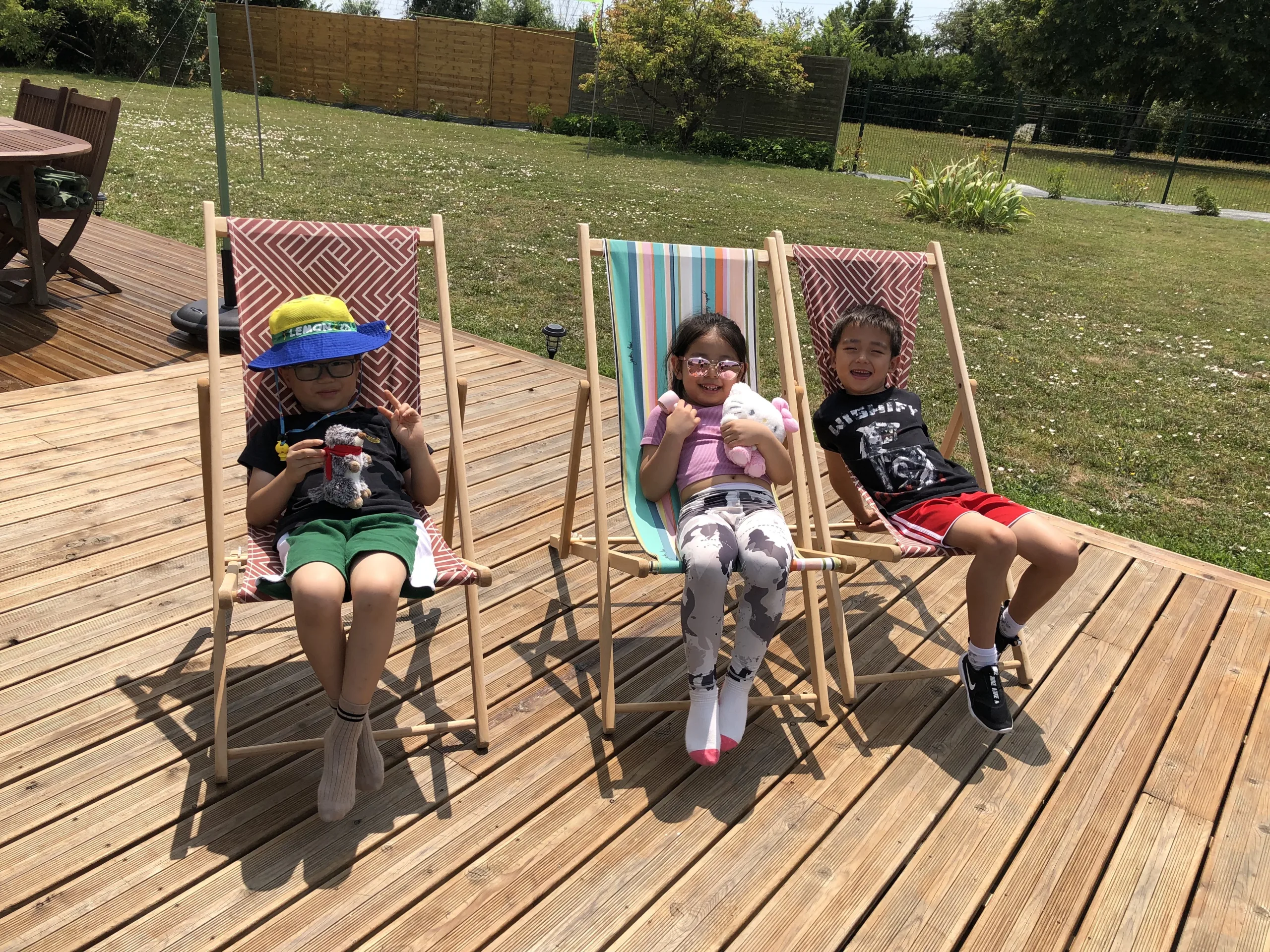
 English
  Spanish
  Chinese