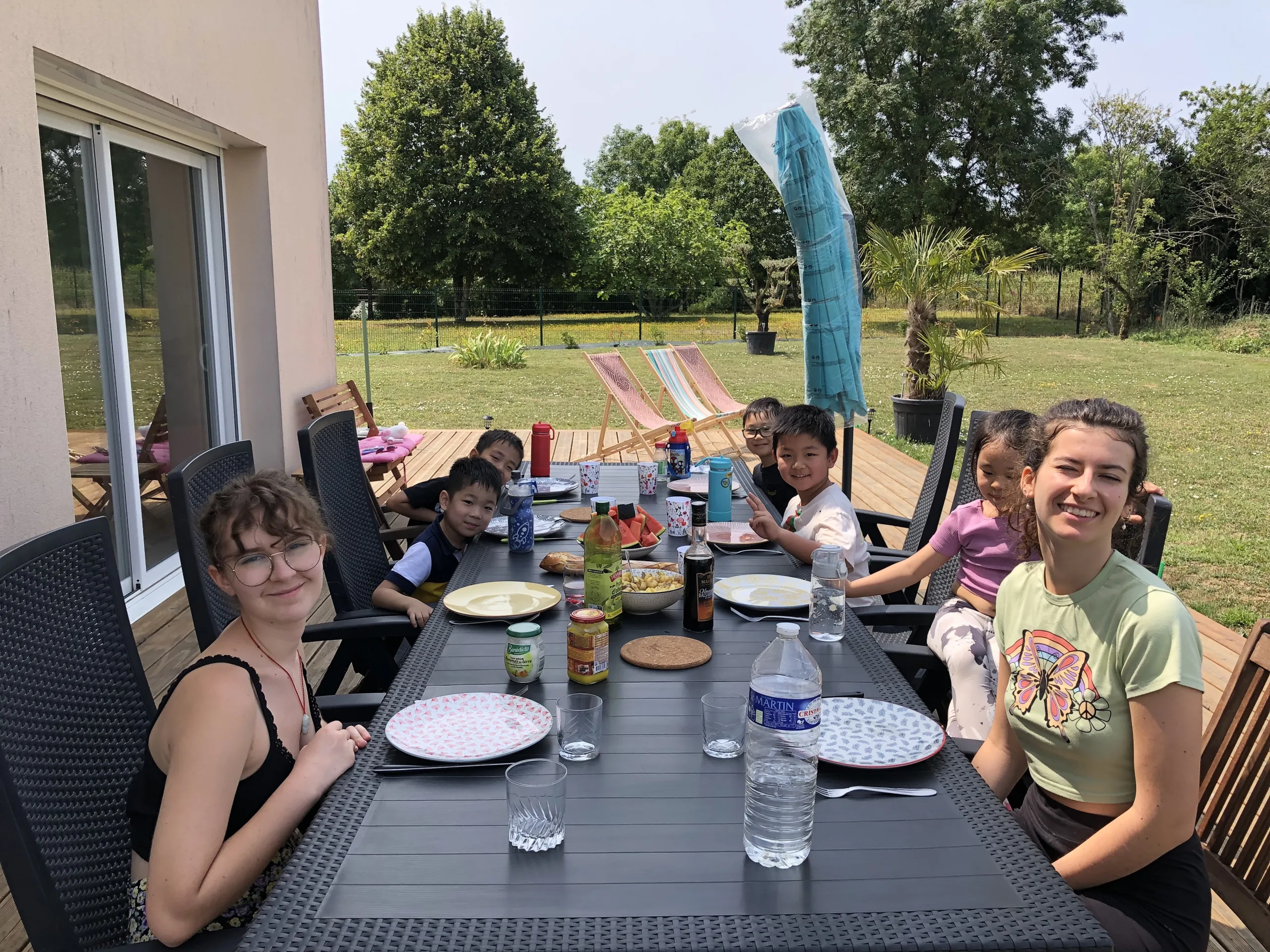
Your non-French-speaking child may make frequent mistakes in French, but this is a normal part of learning and does not reflect a lack of ability. In this article, discover how to support your bilingual child, understand the influence of their native language, overcome common difficulties, and help them build confidence, fluency, and natural progress in French. Practical tips and strategies for parents of bilingual or non-French-speaking children are included.
When a child understands French but does not speak it yet, parents often feel concerned, especially in bilingual families. Drawing on my classroom experience, this article explains why this situation is common and developmentally normal. It also outlines key conditions that support oral language development and help children gain confidence and begin speaking naturally, without pressure.
Do you know any apps for learning French?
Using French apps can be a way to support your child because he/she is not in a French curriculum or he/she has no connection with French people… or to improve his/her French. Nowadays, there are so many apps on the market available to download that you are wondering which ones are the best to choose? I would like to present some of them.
French is one of the most widely spoken languages in the world and learning it from a young age has countless benefits. If your child already speaks two languages, you may be wondering if learning French wouldn’t be too much at their age. The answer is : absolutely not ! Here’s why introducing French early is a smart choice for your child’s future.
Bilingualism is more than a communication tool : it’s a brain booster ! Based on my own experience, as well as from what I see while teaching French to multilingual kids every day, speaking multiple languages develops unexpected skill. But what does science say ? From enhanced memory to greater focus, and even delaying the onset of Alzheimer’s disease : discover the cognitive and lifelong benefits of learning multiple languages for children and adults.